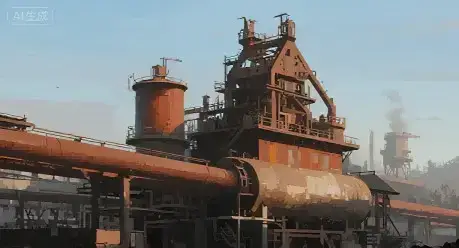
Indian conglomerate Adani Group’s $1.2 billion Kutch Copper smelter in Gujarat—with an annual capacity of 500,000 tons—currently operates at a fraction of full capacity due to a global copper concentrate supply squeeze. Customs data shows the smelter, which started processing in June after delays, imported only about 147,000 tons of concentrate in the 10 months to October. This is less than one-tenth of the ~1.6 million tons required for full-capacity operation, as previously reported. In contrast, competitor Hindalco Industries imported over 1 million tons during the same period. The Adani Group did not respond to queries.
Global copper concentrate supply has been disrupted by multiple mine outages this year, affecting major producers including Freeport-McMoRan, Hudbay Minerals, Ivanhoe Mines, and Chile’s state-owned Codelco. Additionally, China’s aggressive expansion of smelting capacity has compressed profit margins for non-Chinese producers, forcing some to cut output or shut down operations. This dual pressure has led to treatment and refining charges (TC/RCs)—fees paid by miners to smelters for processing—hitting a record low in...
For new entrants like Kutch Copper— which aims to double its annual capacity to 1 million tons within four years—tight supply poses significant challenges: higher maintenance costs to keep facilities operational and a prolonged ramp-up period. Bloomberg Intelligence analyst Grant Sporre noted the smelter could operate at a loss in the short term, as it is more efficient than many competitors. He added that India might introduce higher tariffs to protect domestic industries, framing this as “short-term pain for long-term gain.” Customs data reveals suppliers to Kutch Copper include BHP Group (4,700 tons), Glencore Plc, and Hudbay Minerals.
Kutch Copper’s slow start underscores the hurdles India faces in achieving metals self-reliance. Surging demand from infrastructure, power, and construction sectors far outpaces the country’s constrained processing capacity and limited domestic ore reserves, highlighting the gap between ambition and ground realities in India’s industrial expansion plans. (By Preeti Soni and Andy Lin)
The complete content requires login
You can view the full content after logging in. If you don't have an account, please register first.