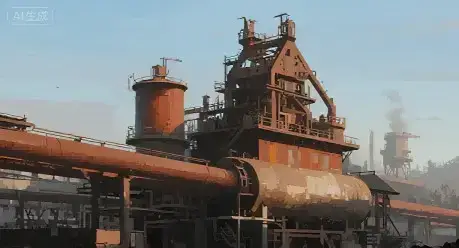
Jakarta – DBS Bank recently hosted the 4th DBS Metal and Mining Forum themed “Forging Global Connections”. The leading financial institution shared key insights at the event, which served as a platform for industry leaders and decision-makers to discuss opportunities, challenges, and latest trends. It also highlighted the growing role of international collaboration and innovation in driving sustainable growth. Through this forum, DBS aims to enrich strategic insights, strengthen cross-border partnerships, and boost foreign investment inflows into Indonesia.
DBS recognizes Indonesia’s strategic position and abundant natural resources place it at the center of the future global metal and mining industry. With downstream development and increased value addition, Indonesia can transform from a raw material exporter to a key player in the global critical mineral supply chain. “DBS Bank is committed to being a trusted partner in every step of this journey—not only through financial solutions but also via relevant insights and support to enable businesses to thrive,” said Lim Chu Chong, President Director of PT Bank DBS Indonesia.
The forum delivered five key insights. First, foreign capital inflows are shrinking amid global uncertainty. The world faces economic slowdowns in regions like China and Europe; supply chain shifts due to new U.S. tariff policies have suppressed global trade volumes and triggered corrections in energy and non-energy commodity prices. These factors have led to a sharp decline in foreign direct investment (FDI), exacerbated by U.S.-China tensions, tariff wars, climate change, and AI developments—making the global landscape increasingly unpredictable. For developing countries like Indonesia, falling FDI poses a major challenge, hindering efforts to drive more ambitious GDP growth; China’s declining FDI inflows to Indonesia (a top contributor) are expected to weigh on expansion in the metal and mining sector, especially nickel downstreaming.
Second, Indonesia’s nickel remains dominant in the global market. Nickel has become a strategic commodity amid rising demand for electric vehicle (EV) batteries and green technologies. Indonesia emerged as a leading producer with 2024 output reaching 2.2 million metric tons—accounting for over 50% of global supply. It also boasts the most complete battery component ecosystem outside China, with some production lines exceeding capacities in South Korea and Japan. Domestic EV industry growth further fuels demand as manufacturers expand production capacity; with efficient regulations and investment certainty, Indonesia has great potential to become a regional hub for EV battery production and innovation.
Third, downstreaming is the new engine for the metal and mining industry. Indonesia, the Philippines, Malaysia, and Vietnam each have mineral advantages; the key challenge lies in developing upstream-to-downstream industries to capture local value addition. Indonesia’s Ministry of Energy and Mineral Resources (KESDM) views downstreaming as a core pillar of the government’s Asta Cita agenda—critical for achieving energy independence, enhancin...
The complete content requires login
You can view the full content after logging in. If you don't have an account, please register first.